

Healing Through Self-Care: Navigating Pet Bereavement with Compassion
Losing a beloved pet is one of the most heart-wrenching experiences we can endure. For many, pets are not just animals they are family members, companions, and sources of unconditional love. Their absence leaves a deep emotional void. During such difficult times, self-care becomes more than a luxury; it becomes a necessity. When grieving the loss of a pet, engaging in intentional self-care can gently support the healing process and help us navigate the waves of grief.
Understanding Self-Care
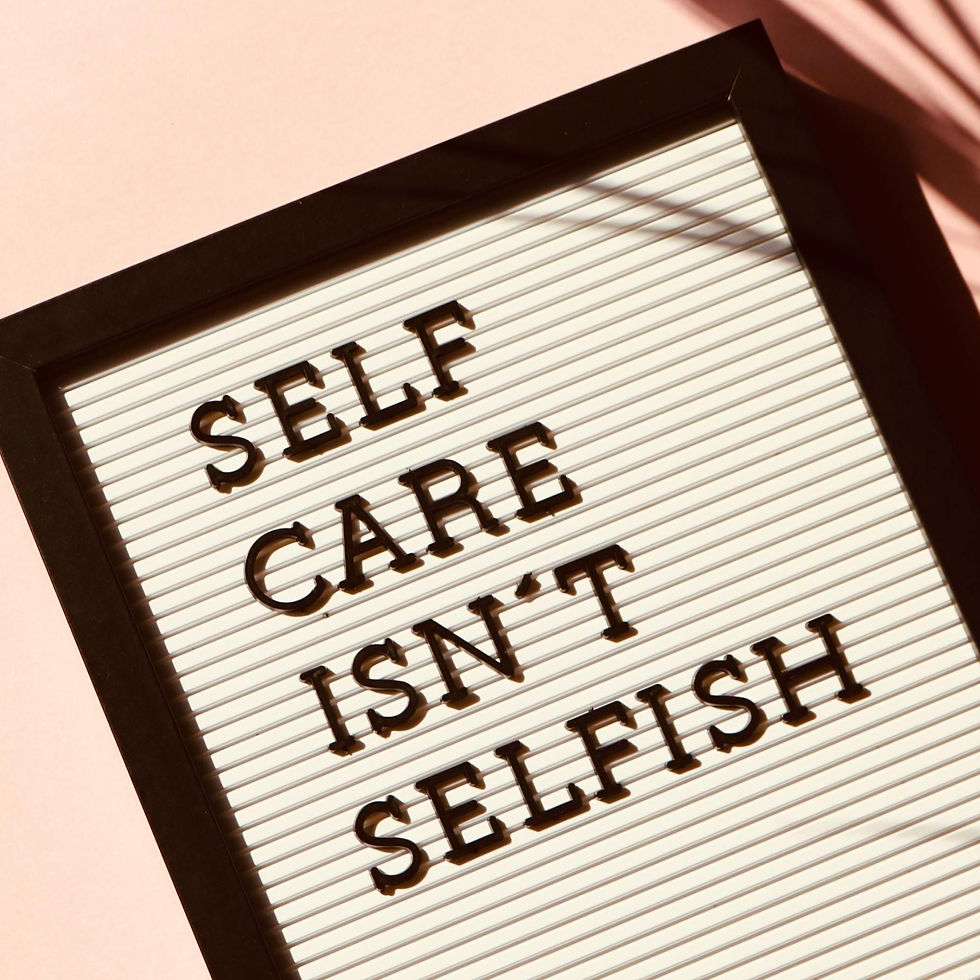
Self-care is the practice of taking actions to preserve or improve one’s own mental, emotional, and physical well-being. It’s about recognizing your needs and meeting them with kindness and attention. Self-care isn’t selfish, it’s an act of self-preservation and love, especially important in times of grief.
There are several types of self-care, each playing a unique role in helping us cope with loss, some examples being:
1. Emotional Self-Care
Grief is an emotional storm, and it’s important to allow yourself to feel without judgment. Emotional self-care involves recognizing, expressing, and processing your feelings. This might include:
Journaling your memories and emotions
Crying when needed — tears are a natural release
Talking to someone you trust about your feelings
Seeking professional support, such as a counsellor or pet loss support group
It’s vital to remember that everyone grieves differently. There’s no right or wrong way to mourn a pet.
2. Physical Self-Care
Grief can take a toll on the body. You might feel fatigued, have trouble sleeping, or experience changes in appetite. Physical self-care means listening to your body’s signals and nurturing it with rest and nourishment:
Eating balanced meals, even if your appetite is low
Getting enough sleep and rest
Engaging in gentle movement, such as walking in nature or stretching
Hydrating regularly
Even small efforts, like a warm shower or wrapping yourself in a soft blanket, can provide comfort and a sense of grounding.
3. Mental Self-Care
Mental self-care helps to calm the mind and manage overwhelming thoughts. When dealing with the loss of a pet, intrusive feelings of guilt or distressing memories can surface. Practicing mental self-care may involve:
Mindfulness or meditation to stay present
Affirmations, such as “I gave my pet a life full of love”
Limiting exposure to stressful or upsetting content, especially on social media
Reading books or articles that support healing and normalize pet loss
Try to replace self-criticism with self-compassion. You did the best you could.
4. Spiritual Self-Care
Whether you identify with a religion or simply connect with nature or a sense of greater meaning, spiritual self-care can provide comfort and perspective:
Spending time in nature and observing the natural cycle of life
Lighting a candle in your pet’s memory
Creating a small ritual or altar to honour their life
Reflecting on the bond you shared and the love that still exists
For some, believing that their pet’s spirit continues in another form can be incredibly healing.
5. Social Self-Care
Grief can be isolating, especially when others don’t understand the depth of your loss. Social self-care involves reaching out and connecting — not necessarily for advice, but for presence and companionship:
Talking with friends or family who understand or share your love for animals
Joining pet loss forums or support groups
Attending remembrance events for pets, either in person or online
Being seen and heard by others who “get it” can make a world of difference.
Implementing Self-Care During Pet Loss
Implementing self-care doesn’t require a major lifestyle overhaul. Start small. Choose one or two practices that resonate with you and build from there. Grief comes in waves — some days will feel manageable, others may feel overwhelming. Allow your self-care to ebb and flow with your needs.
Here are a few gentle ways to begin:
Create a memory box with photos, toys, or items that remind you of your pet
Write a letter to your pet expressing your love and saying goodbye
Take a grief day — allow yourself time away from obligations to rest and reflect
Set boundaries with people who may not understand the depth of your grief
Losing a pet is a profound and valid loss. It’s okay to grieve deeply. Self-care isn’t about rushing to “move on”, it’s about creating space for healing and honouring the bond you had with your companion. As you care for yourself with gentleness, you are also continuing the love your pet gave you, a love that doesn’t end with death.
Take your time. Be kind to yourself. Remember healing doesn’t mean forgetting, it means remembering with more love than pain.


Comments